
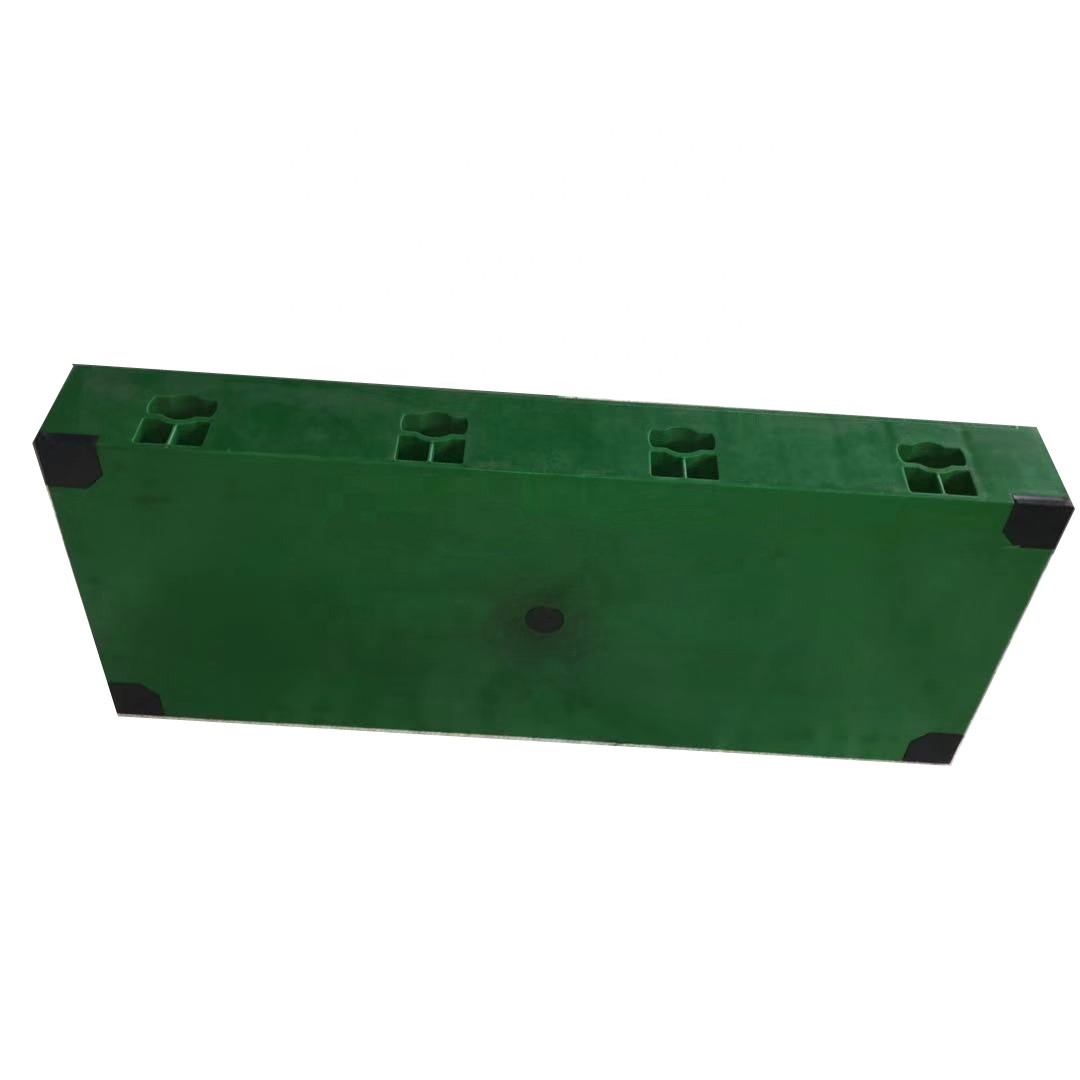
 Modular Formwork
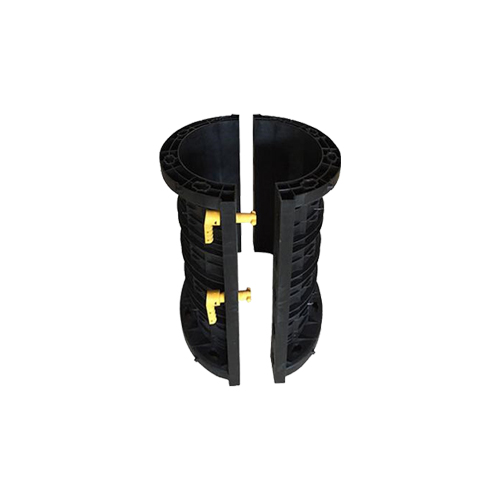 Column formwork

- Column formwork is usually stronger on reuse, consistency, and labor savings than traditional column molds.
- Traditional molds can still be practical for short runs, low-budget jobs, or one-off geometry.
- For Round Column Formwork, adjustability and surface finish are often more important than initial purchase price.
- Specification checks should include material type, dimensional tolerance, connection method, and reuse count.
- For B2B buyers, the total cost per use is more important than the upfront quote.
Column formwork matters because concrete columns are load-bearing elements where tolerance, alignment, and surface quality directly affect both structural performance and visual acceptance; for reference, ISO 17892-11:2019 and ASTM C31/C31M show how disciplined sample preparation and curing control influence reliable test outcomes, while a well-managed formwork system can help keep casting dimensions stable across repeated pours. In most procurement decisions, the real question is not whether a column mold works once, but whether it can deliver repeatable results across dozens of cycles, especially in round column formwork, mixed-size projects, and schedules where rework is expensive. If you are evaluating product ranges, see column formwork solutions, round column formwork, and customizable mold systems.
Column formwork vs traditional column molds: what actually changes on site
The main difference is that column formwork is designed for repeated assembly, faster stripping, and more stable geometry, while traditional column molds are often optimized for lower initial cost and simpler one-time use.
In field terms, that means a reusable system is judged by how straight the column remains, how fast the crew can set and reset it, and how consistent the finish looks after multiple pours. A traditional column mold may still complete the job, but it often depends more heavily on carpenter skill, tighter labor control, and more patching after stripping. For projects with many columns, these small differences accumulate into real schedule and cost impacts.
| Decision factor | Column formwork | Traditional column mold |
|---|---|---|
| Reuse potential | Typically designed for many cycles | Often limited reuse |
| Dimensional consistency | Higher repeatability | More dependent on manual assembly |
| Installation speed | Faster after crew training | Usually slower |
| Surface finish | More uniform | Can vary by workmanship |
| Best use case | Multi-column, repeated jobs | Small, simple, or low-frequency jobs |
A practical procurement rule is simple: if the same column size repeats many times, reusable column formwork usually outperforms a traditional column mold on total cost per pour. If the geometry changes constantly and the project is short, the lower entry price of a basic mold may still be rational.
Why round column formwork often beats a basic column mold
Round column formwork usually wins when finish quality and diameter control matter.
Round columns are more sensitive to eccentricity, seam visibility, and surface waviness than square columns. A well-designed round column formwork system reduces the risk of ovality and gives a cleaner architectural result, especially in lobbies, entrances, and landscape structures. This is why many buyers prefer systems that combine rigid support with easy adjustment rather than fixed-size disposable molds.
For architectural work, the visible surface matters as much as the structural section. If the project demands a clean exposed finish, a reusable round column system can reduce patching time and improve visual uniformity across columns. That matters in commercial projects where the column line is part of the design language, not just a hidden structural element.
| Round column requirement | Better fit | Reason |
|---|---|---|
| Frequent diameter changes | Adjustable round column formwork | Less re-buying for each size |
| Exposed architectural finish | Reusable column formwork | Cleaner seam control |
| Small batch, one-off column | Traditional column mold | Lower upfront investment |
| Repeated same diameter | Reusable round system | Lowest cost per use |
For buyers comparing products, the key question is not only whether the system forms a circle, but whether it preserves that circle after repeated clamping, stripping, and transport.
Material choice matters: ABS, PC, and PP systems do not perform the same
Material selection determines how long a column mold will keep its shape, how much handling abuse it can tolerate, and how many cycles it can realistically support.
In many reusable formwork catalogs, ABS, PC, and PP each serve different priorities. ABS Plastic Formwork is commonly chosen for reuse efficiency and easier handling. PC plastic formwork is typically favored when higher impact resistance and dimensional stability are needed. PP hollow-board products are lighter and useful for certain auxiliary applications, especially where shipping weight and handling speed matter.
That distinction is important because a buyer who only compares price may miss the most expensive failure mode: deformation after a few pours. Once a mold loses stiffness, alignment becomes harder, and the crew pays for it in rework and finish correction.
| Material | Typical advantage | Best scenario | Buyer concern |
|---|---|---|---|
| ABS | Reusable and practical | General column casting | Cycle life and surface quality |
| PC | Higher impact resistance | More demanding projects | Cost versus durability |
| PP hollow board | Lightweight and easy to handle | Auxiliary or batch use | Stiffness under load |
For procurement teams, the material question should always be linked to the project load, transport frequency, and target reuse count, not asked as a standalone spec.
Cost comparison: upfront price is not the real comparison
The true comparison between column formwork and traditional column molds is cost per qualified pour, not purchase price alone.
A traditional mold may look cheaper on the invoice, but it can require more labor, more checking, and more repairs. A reusable system usually asks for more upfront investment and then pays back through repetition. That is why high-volume contractors and distributors often focus on total lifecycle economics instead of single-project savings.
For concrete work, dimensional control is not a luxury. When the crew has to correct misalignment or surface defects after stripping, the hidden cost is labor time, not just materials. In repetitive column work, even a small reduction in setup time per column can scale into a meaningful schedule gain across a project.
| Cost element | Reusable column formwork | Traditional column mold |
|---|---|---|
| Initial purchase | Higher | Lower |
| Labor per reuse | Lower after training | Higher |
| Repair and patching | Usually lower | Usually higher |
| Total lifecycle cost | Often lower on repeated jobs | Often higher on repeated jobs |
As a practical rule, the more repeated pours a project has, the more reusable column formwork tends to outperform traditional column molds on cost efficiency.
Installation, stripping, and handling: where project delays usually start
Most delays in column casting come from setup mistakes, not from the concrete itself.
If a column mold is hard to align, the crew spends extra time checking plumb, tightening supports, and correcting seams before the pour. If stripping is awkward, the risk of edge damage rises. That is why experienced buyers value systems with clear connection logic, predictable assembly steps, and components that are easy to clean and reuse.
Here, process matters as much as product. A formwork system that shortens setup by a small amount can improve crew throughput, especially in serial projects such as residential towers, parking structures, and commercial cores.
- Confirm column size, cross-section, and height before ordering.
- Check whether the system supports repeated diameter or section changes.
- Verify locking method, corner strength, and surface release behavior.
- Test assembly speed with the actual crew before full deployment.
- Inspect stripping procedure to prevent edge damage and deformation.
For a column formwork manufacturer, the best product is not only the one that looks strong in a catalog, but the one that can be assembled correctly by ordinary site crews under real deadlines.
Standards and tolerances: the numbers behind a good column finish
Tolerances are the difference between a column that fits the drawing and one that creates downstream correction work.

Construction tolerances vary by project specification and jurisdiction, but quality control usually follows the same logic: verify alignment, section size, concrete compaction, and surface finish before the mold is stripped and reused. For sampling and concrete testing practices, ASTM C31/C31M is a useful reference for controlled specimen preparation, while ASTM C39/C39M defines compressive strength testing for cylindrical specimens. On the dimensional side, many project documents use millimeter-level tolerances, and in practical site coordination, differences of a few millimeters can matter when columns connect to beams, inserts, or prefabricated elements.
Around the world, precision is often described in small numbers, but the real value is repeatability. If a reusable column formwork system keeps every pour within the same geometry, the project gains both speed and predictability.
| Quality checkpoint | Typical control method | Why it matters |
|---|---|---|
| Plumbness | Laser or plumb line check | Prevents visual and structural misalignment |
| Section size | Tape, template, or gauge | Ensures fit with beams and embeds |
| Surface finish | Visual inspection after stripping | Reduces patching and rework |
| Reusability | Cycle inspection after each pour | Protects total lifecycle value |
If your project has strict finish requirements, ask the supplier how many cycles the system is designed to support before dimensional drift becomes a concern.
How to choose a column formwork manufacturer for round column projects
The best supplier is the one that matches product design, project volume, and after-sales support to your actual workflow.
Distributors and contractors should ask a column formwork manufacturer for more than a price list. They should request specification sheets, assembly details, available diameters, wall thickness, cleaning recommendations, and sample project photos from similar applications. For overseas buyers, English documentation and video demonstrations reduce decision friction and help avoid order mistakes.
When the project includes round column formwork, the supplier should also clarify diameter range, connector method, transport packing, and expected reuse conditions. If the vendor cannot explain those points clearly, the product may be hard to scale across multiple sites.
- Check whether the size range matches the project design.
- Ask for realistic reuse guidance, not just ideal-case claims.
- Review the surface finish expectations for exposed concrete.
- Confirm whether replacement parts are easy to source.
- Request installation or stripping guidance in English if needed.
For buyers comparing a column mold with a reusable system, supplier support can be as important as the material itself because site success depends on correct installation, not just product delivery.
When traditional column molds still make sense
Traditional column molds remain useful when the project is small, the geometry is simple, or labor costs are low enough that manual craftsmanship is acceptable.
That is especially true for one-off work, emergency repairs, temporary structures, and low-repeat sites. In those cases, paying for a more advanced reusable system may not produce enough payback. Traditional molds also make sense when the crew already owns the tooling and the project has minimal finish expectations.
However, once the same column size repeats across multiple floors or multiple buildings, the economic case shifts quickly toward reusable column formwork. The more repetition you have, the more valuable consistency becomes.
Which is better for your project: a practical decision framework
The better choice depends on how often the same column will be cast and how visible the final surface will be.
If you need repeated columns, tight scheduling, and a cleaner finish, reusable column formwork is usually the stronger option. If the job is short, irregular, and cost-sensitive, a traditional column mold may be enough. For round columns in commercial or landscape projects, adjustable reusable systems often provide the best balance of speed and appearance.
- Choose column formwork for repeated pours and tighter quality control.
- Choose traditional column molds for one-time or low-volume work.
- Choose round column formwork when exposed finish and geometry matter.
- Choose a custom or adjustable solution when sizes vary across the project.
- Always compare lifecycle cost, not just purchase price.
In short, the right answer is not universal; it is project-driven. The best procurement decision is the one that reduces rework, improves repeatability, and fits the real crew on the real site.
FAQ
Is column formwork always better than a traditional column mold?
No. Column formwork is usually better for repeated work, but a traditional column mold can be more economical for small or one-off jobs.
What is the biggest advantage of round column formwork?
The biggest advantage is repeatable geometry with a cleaner exposed finish, especially when the same diameter is used many times.
How do I compare a column formwork manufacturer?
Compare cycle life, dimensional stability, available sizes, installation support, and whether the supplier provides clear technical documentation.
Which material is best for reusable column molds?
There is no single best material. ABS, PC, and PP each serve different needs depending on stiffness, impact resistance, weight, and expected reuse.
Why do reused molds sometimes give poor surface quality?
Common causes include deformation, bad release practice, damaged edges, and inconsistent cleaning between pours.
When should I avoid traditional column molds?
Avoid them when the same column repeats many times, when finish quality is important, or when labor efficiency is a project priority.
What should I ask before buying a column mold?
Ask about dimensions, reuse count, connection method, cleaning steps, and whether the system is suitable for round or square columns.